
How Often Should You Mow Vacant Acreage in the Texas Hill Country?
There is no single schedule that fits every property. The right mowing frequency depends on rainfall, vegetation, access, future plans and how manageable you want the land to stay.
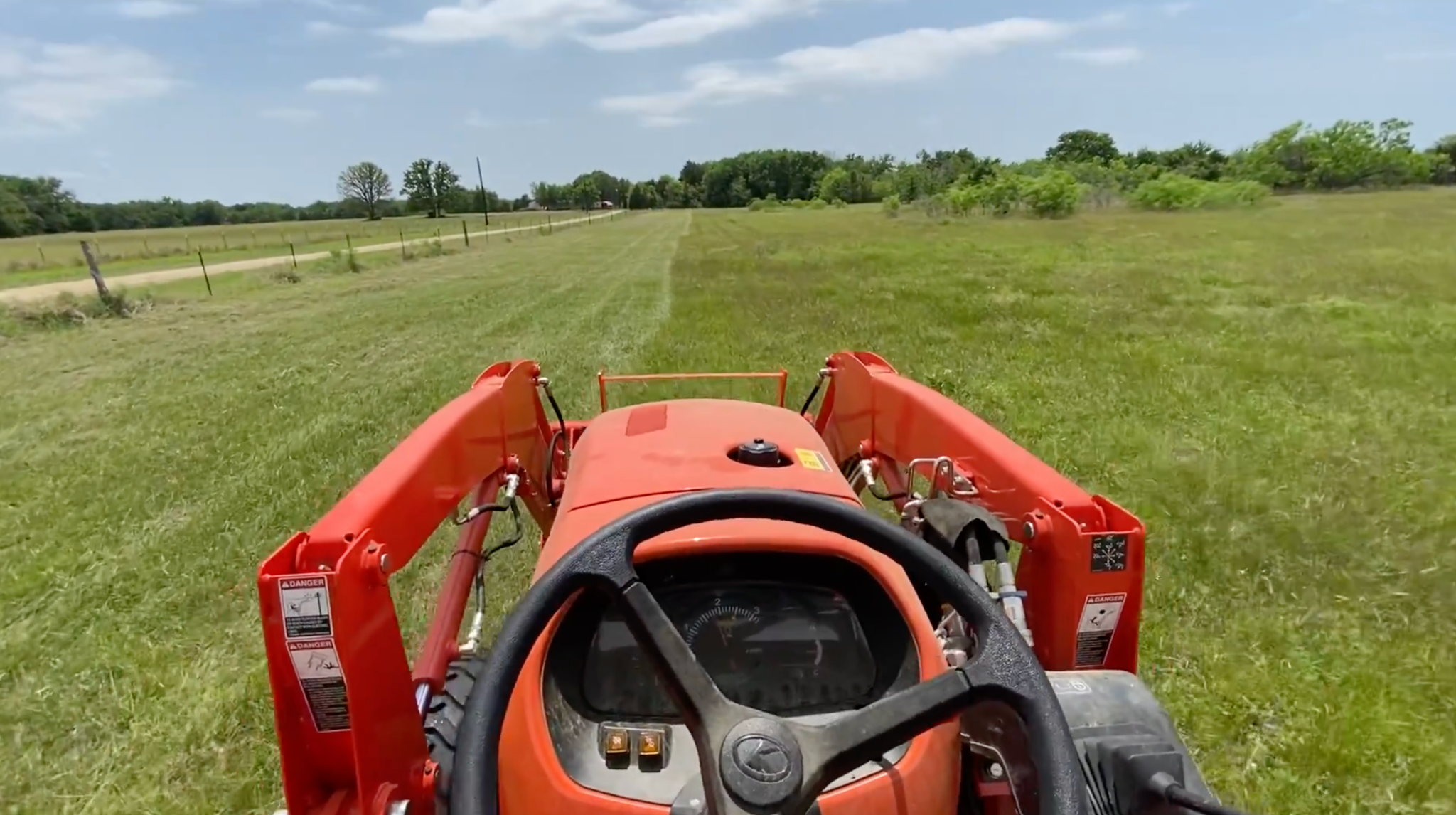
Vacant acreage can look easy to ignore—especially when there is no house, lawn or immediate construction project on it. But one or two strong growing seasons can quickly turn open ground into tall grass, weeds, saplings and harder-to-access areas.
For many Hill Country property owners, the goal is not a manicured lawn. It is simply to keep the land usable, visible and easier to work with until the next phase of the property.
Is Once a Year Enough?
For some properties, yes. An annual cut can be a practical baseline when the main goal is preventing several years of unmanaged growth from stacking up. This can work especially well on land that grows relatively slowly, remains mostly grass and weeds, and does not need frequent access.
The tradeoff is that waiting a full year gives seasonal vegetation more time to get tall and dense. If access, appearance or future work matters, one cut may feel too infrequent.
When Twice a Year Makes More Sense
Semiannual mowing is often a useful starting point for vacant land, future homesites and properties owned by someone who does not live nearby. A spring or early-summer cut can knock back the first major growth cycle, while a later-season cut can reset the property before another long stretch of growth.
Two cuts per year can also make it easier to keep drive-in areas, planned homesites and open sections visible without treating the property like a conventional lawn.
Some Properties Need a More Flexible Schedule
Rainfall can change the answer quickly. A wet season may produce much faster growth than a dry one. Properties with heavy weeds, mixed brush, creek bottoms or areas that stay moist may also need more attention than open rocky ground.
Instead of forcing every property into the same schedule, it usually makes more sense to consider:
- how fast the vegetation grows
- whether the owner needs regular vehicle or equipment access
- whether construction or other improvements are planned
- how much woody growth is mixed into the mowable areas
- whether the property is occupied, vacant or absentee-owned
- how much growth the owner is comfortable allowing between visits
Future-Build Properties Benefit From Staying Manageable
If you expect to build in a few years, periodic mowing can keep the future homesite and access areas easier to inspect. It can also make later work—such as clearing, driveway improvements or grading—easier to evaluate because the property has not disappeared under multiple years of growth.
Mowing does not replace site preparation or land clearing, but it can keep a future-build property from becoming a larger reset project than necessary.
What If the Owner Lives Somewhere Else?
Vacant acreage is often owned by people who are not on the property every week. In that situation, a scheduled mowing cadence can be useful simply because someone local is returning to the site periodically and keeping the mowable areas under control.
For absentee owners, annual or semiannual service can be easier than waiting until the property becomes difficult to access and then arranging a one-time cleanup from a distance.
When Mowing Is No Longer the Right Tool
Rotary mowing works best when the property is still fundamentally mowable. Tall grass, weeds and some manageable light woody growth can often be handled with a tractor and rotary cutter.
Once cedar, brush or saplings become too dense or too large, continuing to treat the area as a mowing job may be inefficient. At that point, Brush & Cedar Clearing or Forestry Mulching may be the better first step. After the heavier vegetation is addressed, mowable areas can often transition back to periodic maintenance.
A Practical Starting Point
If the property is vacant or undeveloped and you mainly want to keep it accessible, start by considering one or two cuts per year. Then adjust based on actual growth, rainfall and how you use the land.
Planning Acreage Mowing in the Hill Country
Two Sons provides acreage mowing, tractor mowing and brush hogging for vacant, undeveloped and large properties around Bulverde, Boerne, Spring Branch and the surrounding Texas Hill Country.
If you are not sure whether your property needs mowing or heavier clearing, send the address, approximate acreage and a few photos. We can help determine the right starting point.